
wisdom tooth infection

Causes

Several factors can contribute to the development of pericoronitis:

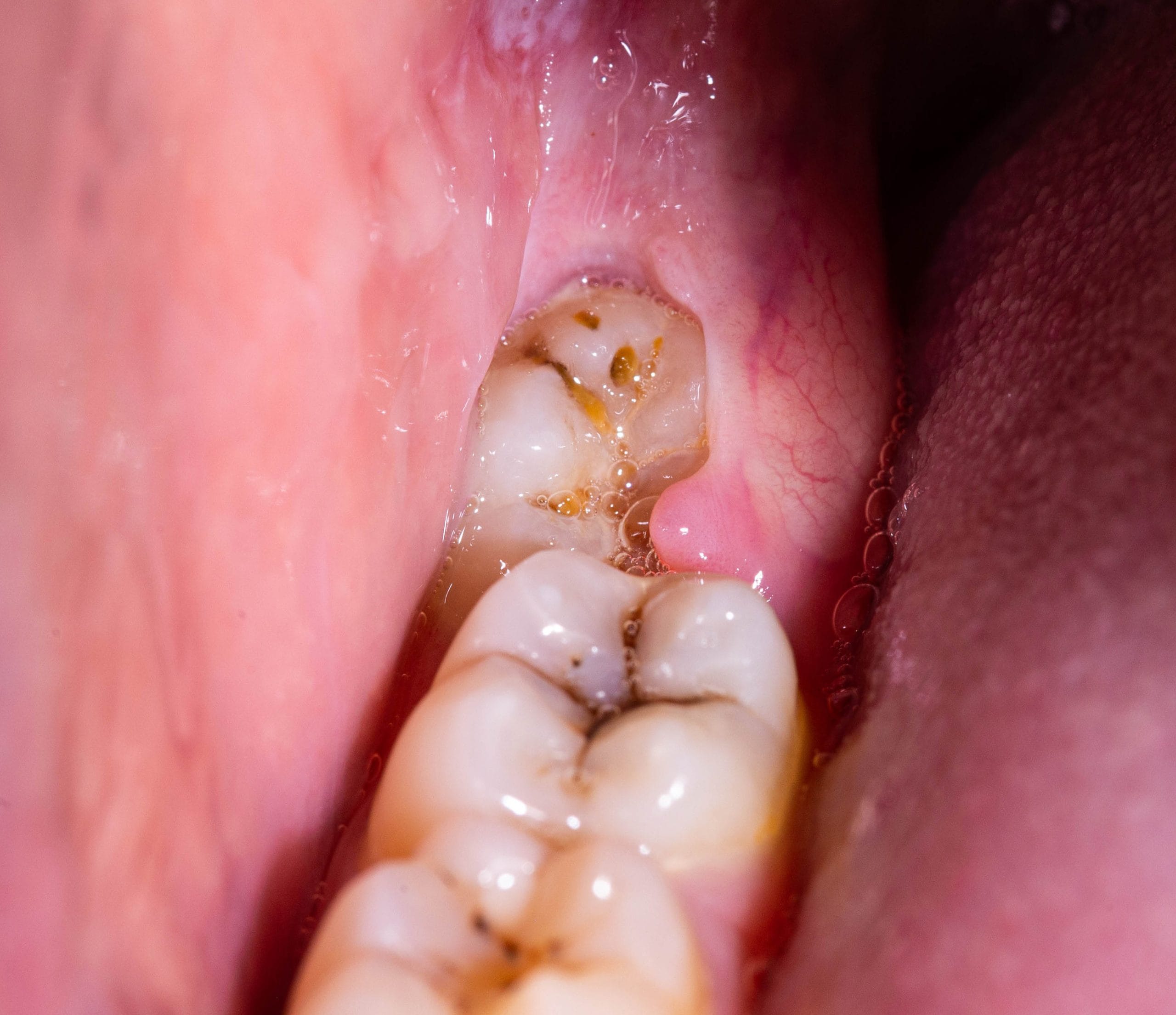
  1. Eruption of Wisdom Teeth The most common cause is a wisdom tooth that has only partially emerged through the gums, creating a pocket where bacteria can accumulate.
  2. Improper Dental Care Hygiene – The partial eruption can make it difficult to properly clean the affected tooth area which may increase the risk of plaque formation.
  3. Bacterial Infection – The food debris that gets trapped in the gum flap may start causing inflammation.
  4. Trauma from Opposing Teeth – The upper wisdom tooth can put a lot of pressure on the swollen gum tissue surrounding the lower tooth.
  5. Stress and Weakened Immune System People who are experiencing stress or any sort of illness or weak immune system can be more prone to getting dental infections, including pericoronitis.
Pericoronitis: Causes, Symptoms, Treatment and Prevention

Common Symptoms

The symptoms can vary depending on the severity of the condition.

Mild Symptoms:

  • Painful gums around the impacted tooth
  • Slight swelling
  • Redness in the affected area
  • Unpleasant taste in the mouth
  • Bad breath (halitosis)

Severe Symptoms:

  • Excruciating pain near the wisdom tooth
  • Swelling of the face
  • Inability to open the mouth (trismus)
  • Pain when swallowing
  • Swollen lymph nodes
  • Pus discharge
  • Fever and general feeling of being unwell

If you experience severe symptoms, you should seek professional dental care as soon as possible.

Pericoronitis: Causes, Symptoms, Treatment and Prevention

Is Pericoronitis considered an emergency?

In some cases, yes.

While mild cases may be managed with prompt dental treatment, severe pericoronitis can spread to surrounding tissues and, in rare cases, lead to more serious infections affecting the face, jaw and neck.

If you feel that:

  • You suffer from acute pain
  • You have problems with swallowing
  • You cannot breathe right
  • Significant facial swelling
  • You have high temperature

These symptoms may indicate a spreading infection that requires urgent attention.

Pericoronitis: Causes, Symptoms, Treatment and Prevention

What is the process of diagnosis?

Typically, the process of diagnosis involves:

Clinical Examination

Your dentist will examine the area of concern for any signs of swelling, inflammation or infection or whether the gum tissue covers the tooth.

Digital X-Rays

X-rays are taken to see the position of the wisdom tooth and determine whether there are any impactions or recurrent infections.

Medical History Review

Taking into consideration your health and symptoms, it is possible for the doctor to decide on the best treatment approach.

Pericoronitis: Causes, Symptoms, Treatment and Prevention

Options for Treating Pericoronitis

Treatment depends on the severity of the infection and whether the problem is likely to recur.

  • Professional Cleaning – The dentist may opt for a thorough cleaning of the areas surrounding the tooth to eliminate bacteria, gunk, and plaque trapped under the flap of the gum.
  • Antibiotics – In case of severe infection, antibiotics can be applied in combination with other procedures.
  • Wisdom Tooth Extraction – In such cases of Pericoronitis returning over and over again, the best option may be to take out the painful wisdom teeth in a matter of one procedure. The extraction of wisdom teeth can poison the problem and safeguard one from other discomforts.
  • Operculectomy – In some situations, the gum flap can be removed in order to clear the gum and the tooth in a process called operculectomy. The dentist will determine whether this treatment is suitable based on the tooth’s position and overall prognosis.
Pericoronitis: Causes, Symptoms, Treatment and Prevention

Can Pericoronitis be resolved on its own?

Even though the symptoms can sometimes improve, pericoronitis tends not to get cured without treatment of the underlying cause. The bacterial area around the partially erupted tooth remains, making subsequent infections possible.

How to Prevent Pericoronitis

Some cases can be prevented, and some can’t, but the best way to mitigate your chances is to follow these steps:

  1. Follow a Good Mouth Hygiene – It helps to brush teeth and floss daily, paying special attention to the areas hard to reach, like wisdom teeth.
  2. Use a Mouthwash – Your dentist can recommend a chlorhexidine mouthwash that helps to keep levels of bacteria under control.
  3. Take care of Wisdom Tooth issues in time – If the wisdom teeth grow improperly and can be cleaned with difficulty, contact your dentist.
  4. Go to the Dentist regularly – Doing check-ups is a great way for the dentist to keep an eye on the situation with your wisdom teeth and spot any potential problems early.
Pericoronitis: Causes, Symptoms, Treatment and Prevention

Recovery from Pericoronitis treatment

Recovery depends on the level of infection and the treatment given. Most individuals will feel better after a few days of treatment. In case of a tooth extraction procedure, recovery will take one to two weeks, and the dentist will give you aftercare advice. Maintaining good oral hygiene practices and regular follow-ups will help in achieving effective healing and avoiding future occurrences.

When Should You See a Dentist?

You should book an appointment if you notice:

  • Pain in the wisdom tooth area
  • Gum swelling
  • Bad breath even when brushing
  • Difficulties chewing food
  • Jaw stiffness
  • Recurrent infections around wisdom teeth

Early treatment is usually less complicated and uncomfortable compared to delayed treatment.

What do our patients say?

Call us today on 020 8547 9997

Whatever you need, our friendly team is looking forward to hearing from you.

Simply get in touch and we’ll be happy to help.


Find us on Google maps

Get directions

Send our team an email

On submitting the form you consent to Pearl Dental Clinic collecting your personal data. For more information please read our privacy policy.