laser dental

What Are Sore Gums?

Healthy gums should feel firm, comfortable and should not bleed when you brush or floss.

When your gums become inflamed, they may feel sore, swollen or sensitive. Sometimes only one area is affected, while other people experience discomfort throughout the mouth.

Patients often describe sore gums as:

  • Tender or painful gums
  • Swollen gums
  • Burning or throbbing gums
  • Pain when brushing
  • Pain when chewing
  • Soreness around one particular tooth

The symptoms you experience often provide valuable clues about the underlying cause.

Common Symptoms

Depending on what’s causing the problem, you may notice:

  • Swollen or puffy gums
  • Bleeding when brushing or flossing
  • Red, inflamed gums
  • Pain around a single tooth
  • Bad breath
  • Gum recession
  • Pain when chewing
  • Pus around a tooth
  • Loose teeth in more advanced cases

If your gum pain is accompanied by facial swelling, difficulty swallowing or severe pain, it’s important to seek urgent dental care as soon as possible.

Sore Gums

What Causes Sore Gums?

There are many different reasons why your gums may become sore. Some are relatively minor, while others require prompt treatment.

Gum Disease (Gingivitis)

By far the most common cause of sore gums is gingivitis.

Plaque naturally builds up on your teeth every day. If it isn’t removed effectively through brushing and cleaning between your teeth, bacteria begin to irritate the gums, causing inflammation.

Typical symptoms include:

  • Bleeding gums
  • Tenderness
  • Swelling
  • Redness
  • Persistent bad breath

The good news is that gingivitis is usually reversible with professional cleaning and improvements to your daily oral hygiene.

Periodontitis

If gingivitis isn’t treated, it can progress to periodontitis, a more advanced form of gum disease.

As well as affecting the gums, periodontitis damages the bone supporting your teeth. Over time this may lead to gum recession, loose teeth and eventually tooth loss if left untreated.

Regular dental examinations help detect periodontitis before significant damage occurs.

Food Trapped Between Teeth

Sometimes the cause is surprisingly simple.

Small pieces of food, such as popcorn husks, meat fibres or seeds, can become trapped beneath the gum and cause localised irritation. Once the debris is removed, the soreness usually settles quickly.

Brushing Too Hard

Many people think brushing harder cleans better, but the opposite is often true.

Using excessive pressure can damage the delicate gum tissue, causing soreness, recession and sensitivity. A soft-bristled toothbrush and gentle technique are usually much more effective.

Flossing

If you’ve recently started flossing after a long break, it’s common for your gums to feel slightly tender for a few days.

This usually improves as inflammation reduces and your gums become healthier. However, snapping floss sharply against the gums can also cause temporary soreness.

Wisdom Teeth

Partially erupted wisdom teeth frequently cause sore gums.

Food and bacteria become trapped beneath the flap of gum covering the tooth, leading to inflammation known as pericoronitis.

This often causes:

  • Pain at the back of the mouth
  • Swelling
  • Difficulty opening your mouth
  • An unpleasant taste
  • Bad breath

Prompt treatment can prevent the infection from worsening.

Dental Abscess

A sore gum around one tooth can sometimes indicate an abscess.

Symptoms often include severe pain, swelling, pus, pain when biting and occasionally facial swelling.

A dental abscess won’t usually improve on its own and should be assessed by a dentist as soon as possible.

Mouth Ulcers

Painful ulcers can appear anywhere inside the mouth, including the gums.

They are commonly triggered by stress, accidental trauma, illness or certain foods and usually heal within one to two weeks.

Hormonal Changes

Hormonal changes during pregnancy, puberty or menopause can make the gums more sensitive and prone to inflammation, even if your oral hygiene routine hasn’t changed.

Smoking

Smoking reduces blood flow to the gums, increasing the risk of gum disease while often masking the early warning signs such as bleeding.

Vitamin Deficiencies

Although uncommon, deficiencies in vitamin C, vitamin B12, iron or folate can sometimes contribute to sore or bleeding gums.

Dentures, Braces and Aligners

Ill-fitting dentures, braces or clear aligners can occasionally rub against the gums, creating sore spots that may need adjusting.


Sore Gums

Why Do My Gums Hurt Around One Tooth?

Pain around a single tooth is often caused by a local problem rather than affecting the whole mouth.

Possible causes include:

  • Food trapped beneath the gum
  • Gum infection
  • Tooth abscess
  • Cracked tooth
  • Early gum disease
  • Trauma from brushing

Because these conditions can feel very similar, a professional dental examination is the best way to identify the exact cause.

Why Do My Gums Hurt When I Brush?

If your gums hurt every time you brush, inflammation is usually the reason.

This could be caused by plaque build-up, gingivitis, brushing too hard or gum recession.

One of the biggest misconceptions is that bleeding gums mean you should stop brushing. In reality, gentle brushing and cleaning between your teeth are essential to remove the bacteria causing the inflammation.

How Can I Relieve Sore Gums at Home?

If your symptoms are mild, these simple measures may provide temporary relief:

  • Rinse with warm salt water
  • Brush gently using a soft toothbrush
  • Clean between your teeth every day
  • Stay well hydrated
  • Avoid very spicy or acidic foods
  • Use an alcohol-free mouthwash
  • Take over-the-counter pain relief if appropriate

While these tips can ease discomfort, they won’t treat gum disease or dental infections. If symptoms persist, it’s important to arrange a dental examination.

Sore Gums

How Are Sore Gums Treated?

Treatment depends entirely on what’s causing the problem.

At Pearl Dental Clinic, treatment may include:

  • Professional hygiene cleaning to remove plaque and tartar
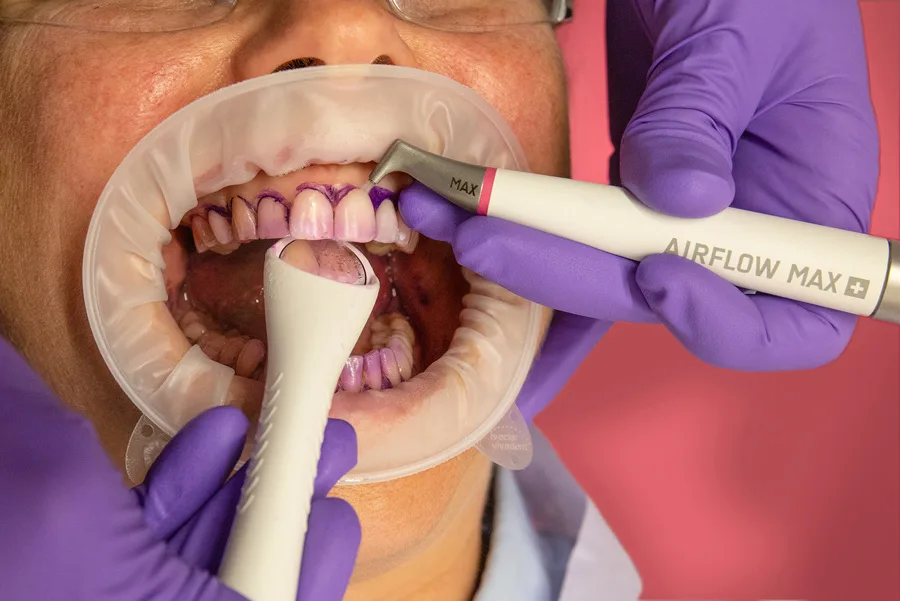
  • Guided Biofilm Therapy (GBT) for gentle, comfortable biofilm removal
  • Deep periodontal cleaning for advanced gum disease
  • Antibiotics where appropriate
  • Root canal treatment if an infected tooth is responsible
  • Wisdom tooth treatment
  • Tooth extraction where a tooth cannot be saved

Our goal is always to eliminate the underlying cause rather than simply treating the symptoms.

Can Sore Gums Be Prevented?

In many cases, yes.

Keeping your gums healthy is often straightforward with the right daily routine.

We recommend:

  • Brushing twice a day with fluoride toothpaste
  • Cleaning between your teeth every day
  • Visiting your dentist regularly
  • Attending routine hygiene appointments
  • Avoiding smoking
  • Eating a healthy, balanced diet
  • Replacing your toothbrush every three months

Small habits carried out consistently make the biggest difference to your long-term gum health.

Sore Gums

When Should You See a Dentist?

You should arrange a dental appointment if:

  • Your gum pain lasts more than a few days
  • Your gums bleed regularly
  • Swelling develops
  • You notice pus
  • A tooth feels loose
  • Chewing becomes painful
  • You develop facial swelling
  • You struggle to open your mouth normally

Early treatment is almost always simpler, more comfortable and less expensive than waiting until the problem becomes more severe.

Sore Gum Treatment at Pearl Dental Clinic

At Pearl Dental Clinic, we believe that no one should have to live with sore or painful gums.

Our experienced dentists and hygienists use advanced technology to diagnose the cause of your symptoms and provide personalised treatment in a calm, comfortable environment. Whether the problem is mild gingivitis or a more complex dental infection, we’ll explain your options clearly and help you restore your gum health as quickly as possible.

We offer same-day emergency appointments whenever possible, professional hygiene treatments including Guided Biofilm Therapy (GBT), periodontal care, digital X-rays, root canal treatment, wisdom tooth assessments and comprehensive dental care seven days a week.

If you’re experiencing sore gums, don’t ignore the warning signs. Early treatment can prevent more serious problems and help keep your smile healthy for years to come. You can book a hygiene appointment with us by calling us on 0208 547 9997 or by booking an appointment online.

Sore Gums

Frequently Asked Questions

Can sore gums heal on their own?

Minor irritation may settle within a few days, but sore gums caused by plaque, infection or gum disease usually require professional treatment.

Are sore gums always a sign of gum disease?

No. They can also be caused by food trapped between the teeth, mouth ulcers, wisdom teeth, brushing too hard, dentures, braces or a dental abscess.

Should I keep brushing if my gums hurt?

Yes. Continue brushing gently with a soft toothbrush and clean between your teeth daily. Good oral hygiene is essential for reducing inflammation.

Can stress cause sore gums?

Stress doesn’t directly cause gum disease, but it can increase the risk of mouth ulcers, teeth grinding and reduced immunity, all of which may contribute to gum discomfort.

Is a sore gum ever an emergency?

Yes. If your sore gums are accompanied by facial swelling, severe pain, pus, fever or difficulty swallowing, you should seek urgent dental care immediately.

Call us today on 020 8547 9997

Whatever you need, our friendly team is looking forward to hearing from you.

Simply get in touch and we’ll be happy to help.


Find us on Google maps

Get directions

Send our team an email

On submitting the form you consent to Pearl Dental Clinic collecting your personal data. For more information please read our privacy policy.