
tooth hemisection

Tooth Hemisection: What is it about?

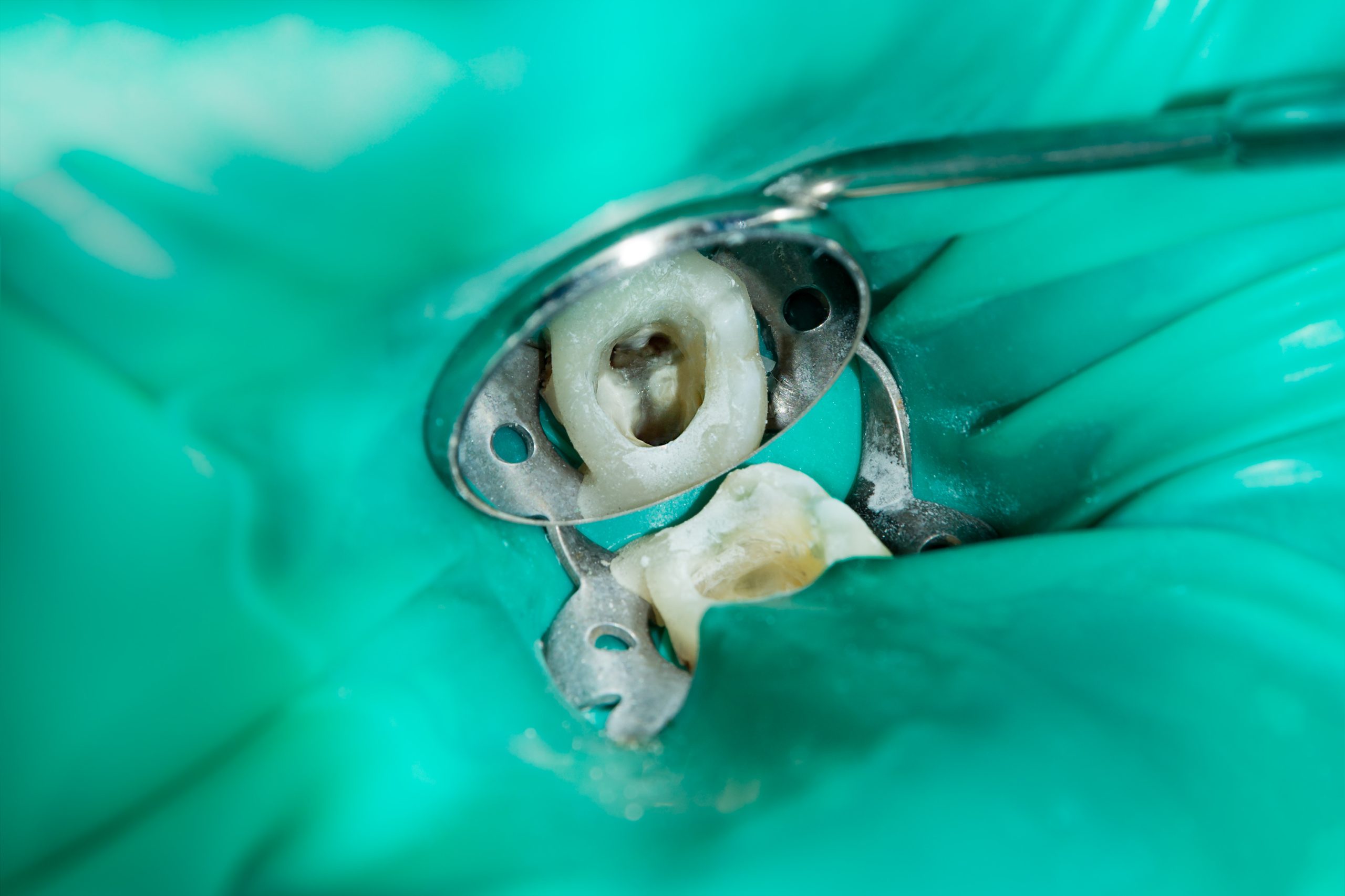
A tooth hemisection is a dental procedure that involves dividing a tooth with several roots into segments and extracting only the damaged root together with a part of the crown.

This procedure is more common for lower molars that have two roots and can be used if a part of a tooth has been damaged but can still be restored by placing a dental crown or bridge on it.

The conservative nature of this procedure enables dentists to save some of the natural tooth rather than completely extract it and place an implant or bridge instead.

Tooth Hemisection

Why might a Hemisection be needed?

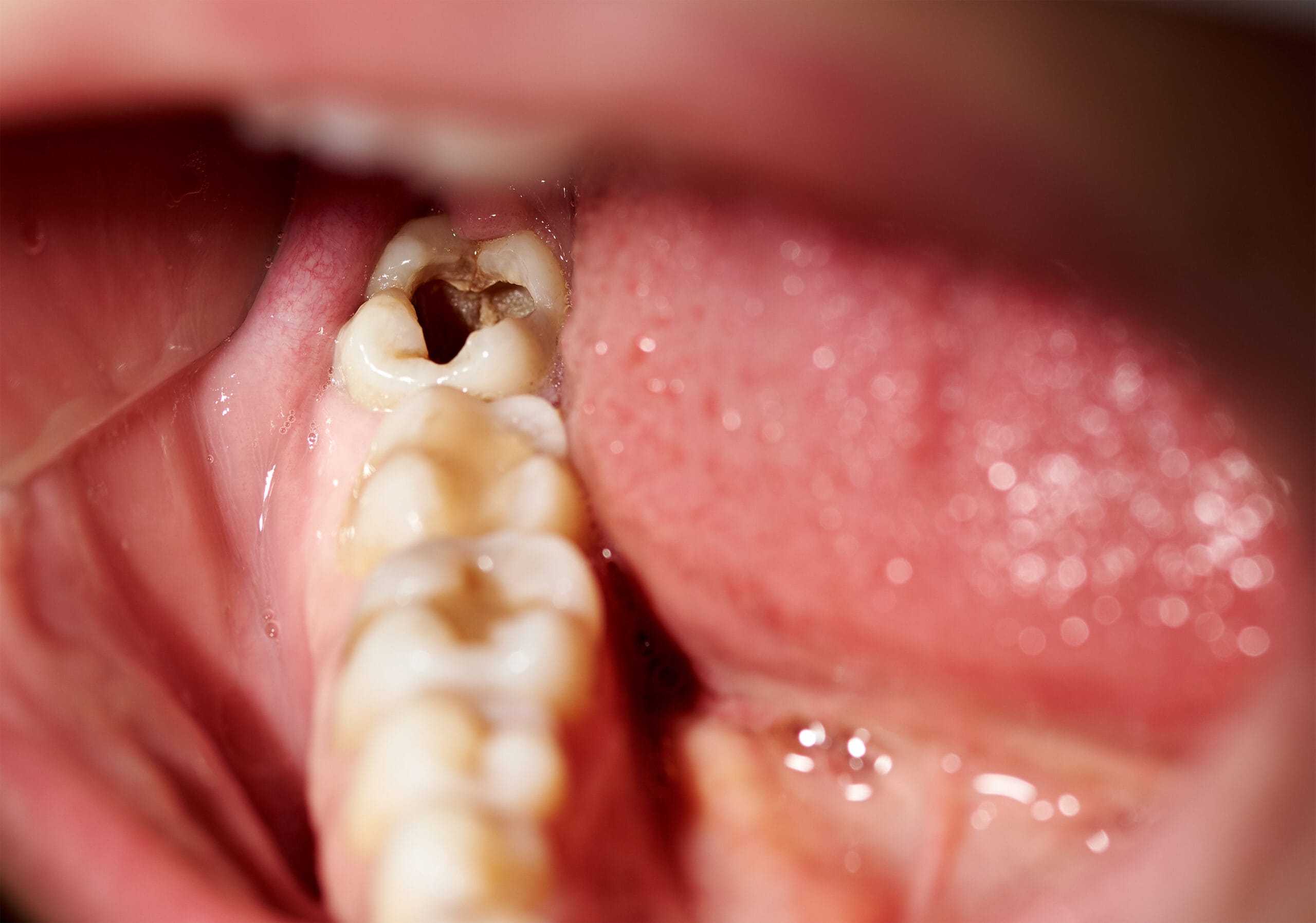
The procedure would be required when one of the roots of the tooth is damaged but the other root is still in good condition and can withstand further restoration.

This could occur because of:

  • Significant decay in one root
  • Periodontal disease that results in loss of bone on one root
  • Vertical root fractures
  • Failed root canal treatment in one section of the tooth
  • Root perforations that cannot be repaired
  • Dental trauma

In these situations, removing only the affected portion can often preserve the remaining healthy tooth structure and surrounding bone.

tooth extraction cost

Benefits of Tooth Hemisection

Tooth hemisection offers several advantages over complete extraction:

Preserves Your Natural Tooth

The natural tooth should always be preserved if possible. Saving a part of your natural tooth ensures your ability to chew normally.

Avoids Bone Loss

If you get your tooth pulled out, it can cause bone loss in that area. By saving the natural tooth, it maintains bone density.

More Conservative Treatment

By eliminating just the decayed area, there will be less invasion than extracting a full tooth and getting an implant.

Cost-Efficient Procedure

In certain cases, it could help save on costs since hemisection might eliminate the need for more advanced procedures.

root canal treatment

What is the preparation for a Tooth Hemisection?

The procedure starts by evaluating the condition of the tooth prior to any other step.

This usually includes:

  • Comprehensive dental examination
  • Taking X-rays of the tooth
  • Assessment of bone support and gum health
  • Evaluation of the tooth’s restorability

In most cases, root canal treatment is completed prior to the hemisection procedure. This helps avoid infection and enhances the prognosis of the tooth.

Tooth Hemisection

How is a Tooth Hemisection performed?

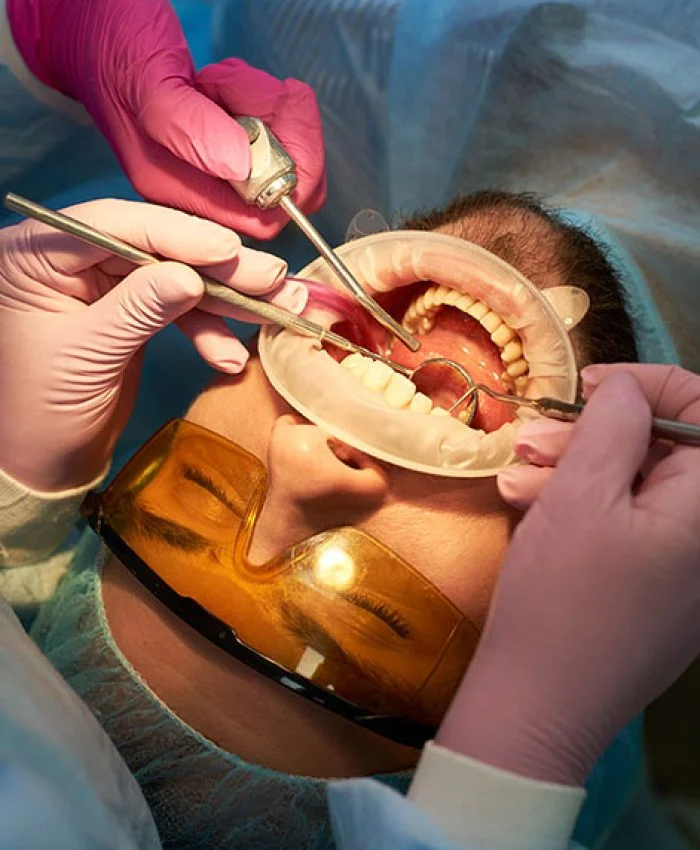
This dental procedure is normally performed using a local anaesthetic, ensuring that the procedure is completely painless.

The process generally involves:

1. Accessing the Tooth

A cut can be made in the gum to gain access to the problem area.

2. Root Separation

Using specialised instruments to divide the tooth into separate portions is necessary.

3. Removal of the Damaged Portion

The root with the problem is removed, leaving the healthier portion.

4. Cleaning the Area

Thorough cleaning of the treatment site to rid it of germs and infections.

5. Restoring the Remaining Tooth

A temporary restoration may be placed initially. Once the healing process is complete, a custom-made crown is usually fitted to strengthen and protect the remaining tooth.

The entire process should last anywhere from 30 to 60 minutes based on your situation.

Tooth Hemisection

What happens after the procedure?

After a tooth hemisection, you will experience some pain and swelling in the area where the procedure was carried out for a couple of days.

This can be managed with:

  • Painkillers
  • Cold compresses
  • Eating soft foods
  • Proper oral hygiene

In addition to this, you might have to use an antibacterial mouth rinse recommended by your doctor.

Follow-up appointments are important to monitor recovery and ensure the remaining tooth structure remains healthy and stable.

tooth crown

Recovery Timeline

First 24–48 Hours
  • Swelling and slight pain
  • Soft food should be consumed
  • Chewing should not be done on the treated side
One Week
  • Initial healing progresses
  • Any stitches may be removed if required
Several Weeks
  • Gum tissues continue to heal
  • Comfort improves significantly
Two to Three Months
  • Final restoration or crown placement may be completed
  • Full function is gradually restored
Tooth Hemisection

Are there any risks?

Like any dental procedure, tooth hemisection carries some risks.

Potential complications include:

  • Infection
  • Fracture of the remaining tooth structure
  • Difficulty cleaning the treated area
  • Future periodontal problems
  • Need for eventual extraction if the remaining root fails

However, with proper case selection, good oral hygiene, and routine dental visits, tooth hemisection could offer satisfactory outcomes.

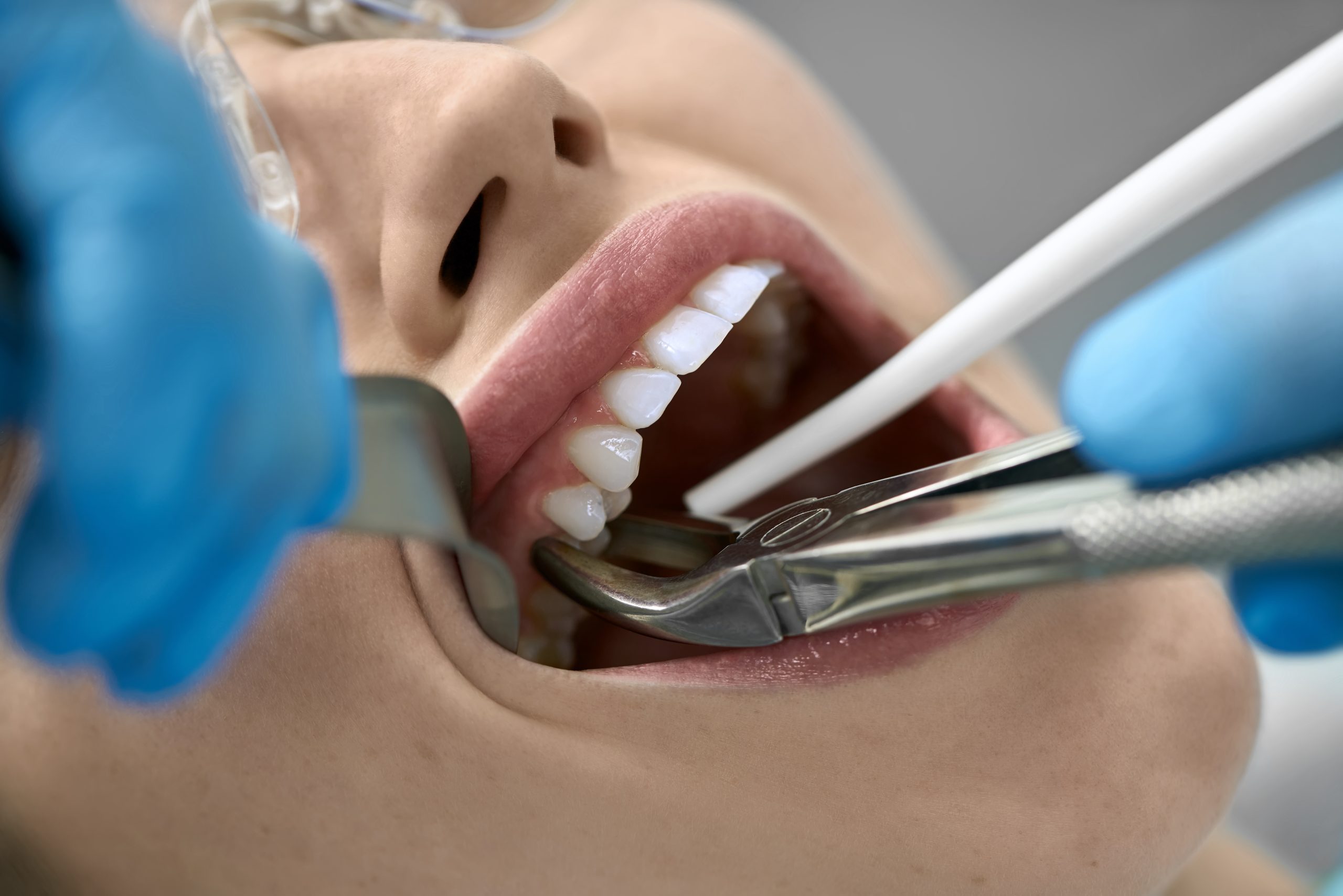
tooth extraction

Is Tooth Hemisection better than extraction?

It depends on the condition of the tooth.

If the root of the tooth is healthy, the benefit of hemisection includes preserving the natural structure of the tooth and helping the bone remain healthy. If the extent of the damage to the tooth is such that there is no likelihood of success, extraction and replacement through a dental implant could be a more reliable choice.

This is where an assessment helps the dentist choose the best course of action.

Tooth Hemisection

Frequently Asked Questions

Is the procedure a tooth hemisection painful?

No. The procedure is performed under local anaesthetic, so patients should not feel pain during treatment. Mild soreness afterwards is normal and usually manageable with pain relief medication.

How long does a hemisected tooth last?

It may last for several years if you maintain excellent dental health, visit your dentist regularly, and get appropriate tooth restoration.

Will I need a crown afterwards?

Yes, in almost all cases, a dental crown is placed following tooth hemisection to provide additional support to the tooth.

Can all teeth be treated with hemisection?

No. Hemisection is generally limited to multi-rooted teeth, particularly lower molars. Single-rooted teeth are not suitable candidates.

Is hemisection cheaper than a dental implant?

It might be, although the price depends on the type of the procedure and restoration needed.

Tooth Hemisection

Book your consultation today

If you have been advised that your tooth requires extraction, there might be other methods through which you can save your tooth. Our highly experienced and competent team of dental specialists will determine whether tooth hemisection is suitable for your tooth, a procedure that may allow saving your tooth and ensuring healthy oral care.

At Pearl Dental Clinic, we provide comprehensive examinations, advanced diagnostics, and personalised treatment plans designed to achieve the best long-term outcome for your smile.

Contact us today to arrange your consultation and discover whether tooth hemisection is the right solution for you. Alternatively, you may book your appointment online or message us on WhatsApp if you have any questions.

Call us today on 020 8547 9997

Whatever you need, our friendly team is looking forward to hearing from you.

Simply get in touch and we’ll be happy to help.


Find us on Google maps

Get directions

Send our team an email

On submitting the form you consent to Pearl Dental Clinic collecting your personal data. For more information please read our privacy policy.