
What are Gum Problems?
The first and the most common form of gum disease is periodontal disease that occurs due to the accumulation of bacteria and plaque within the gum line. The development of gum disease takes place in two different stages:

The first and the most common form of gum disease is periodontal disease that occurs due to the accumulation of bacteria and plaque within the gum line. The development of gum disease takes place in two different stages:
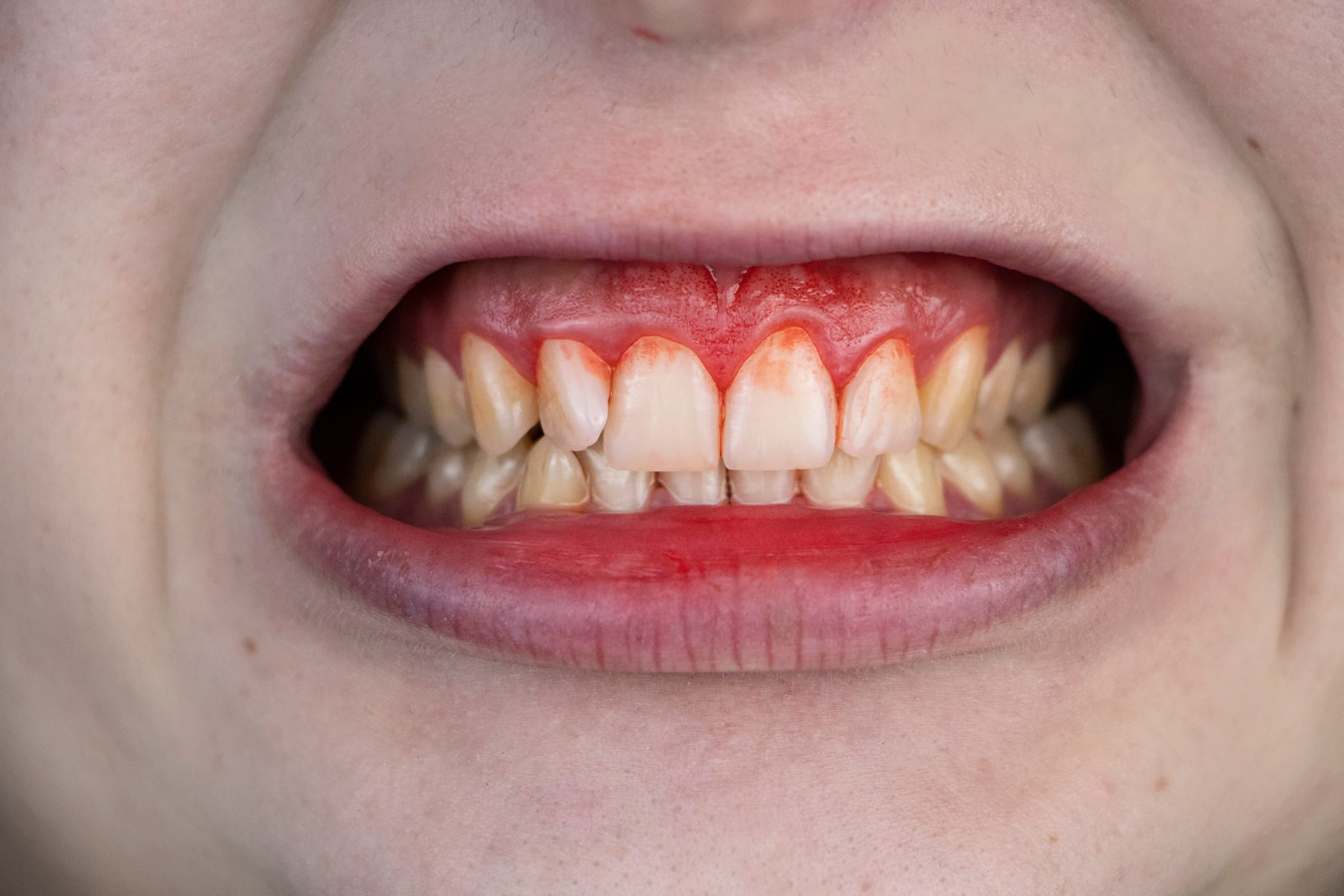
This is the earliest stage of gum disease and is usually reversible with professional treatment and improved oral hygiene. Common symptoms include:
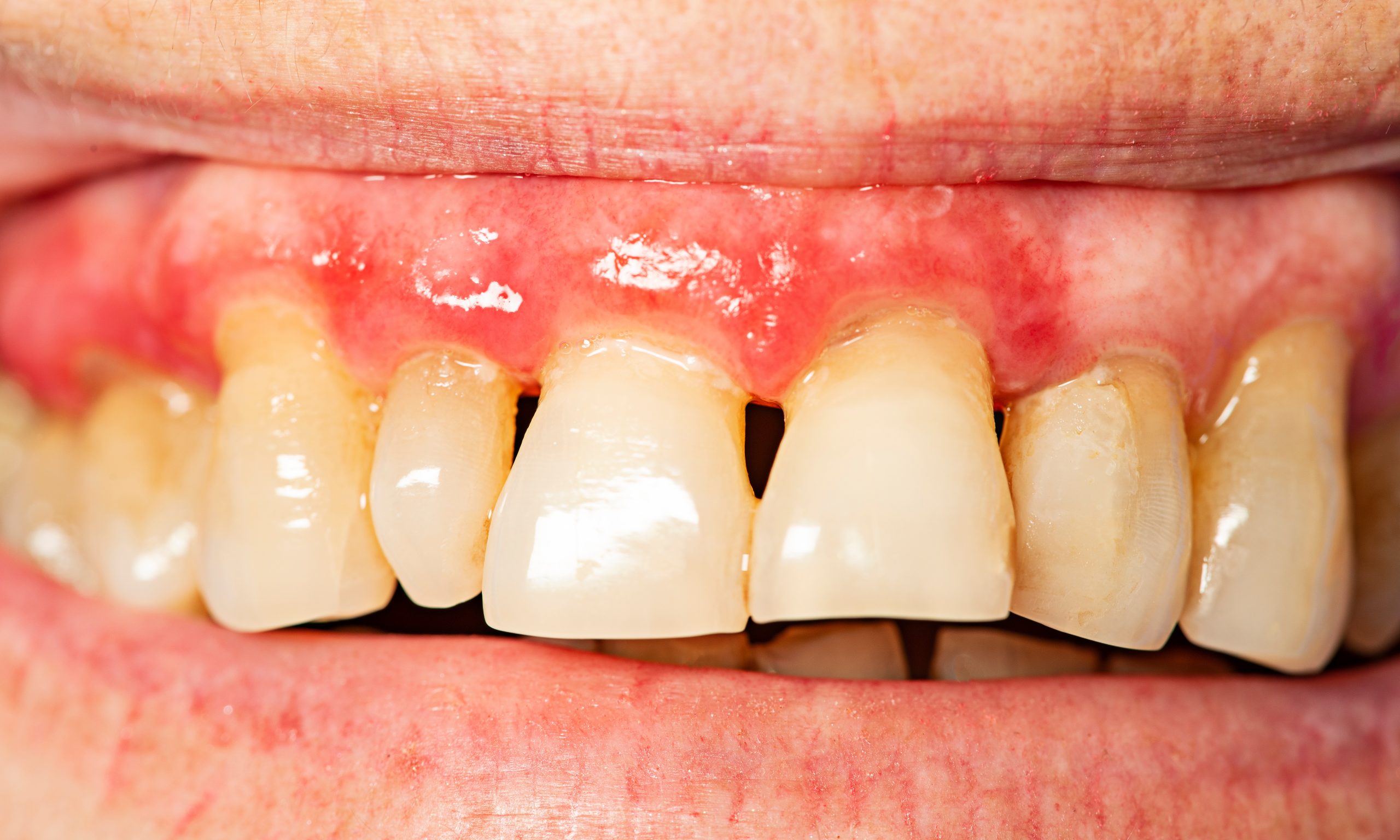
If gingivitis is left untreated, it could develop into periodontitis. This more serious condition affects the bone supporting your teeth and may eventually lead to tooth loss. Symptoms may include:
Understanding the cause of your problem is the first step in tackling it properly.

The most effective treatment depends on the severity of the condition. Luckily, there are many ways of curing gums that have been proven to work.
Good oral hygiene habits are the foundation of healthy gums.
We recommend:
Consistent plaque removal can significantly reduce inflammation and prevent gum disease from progressing.
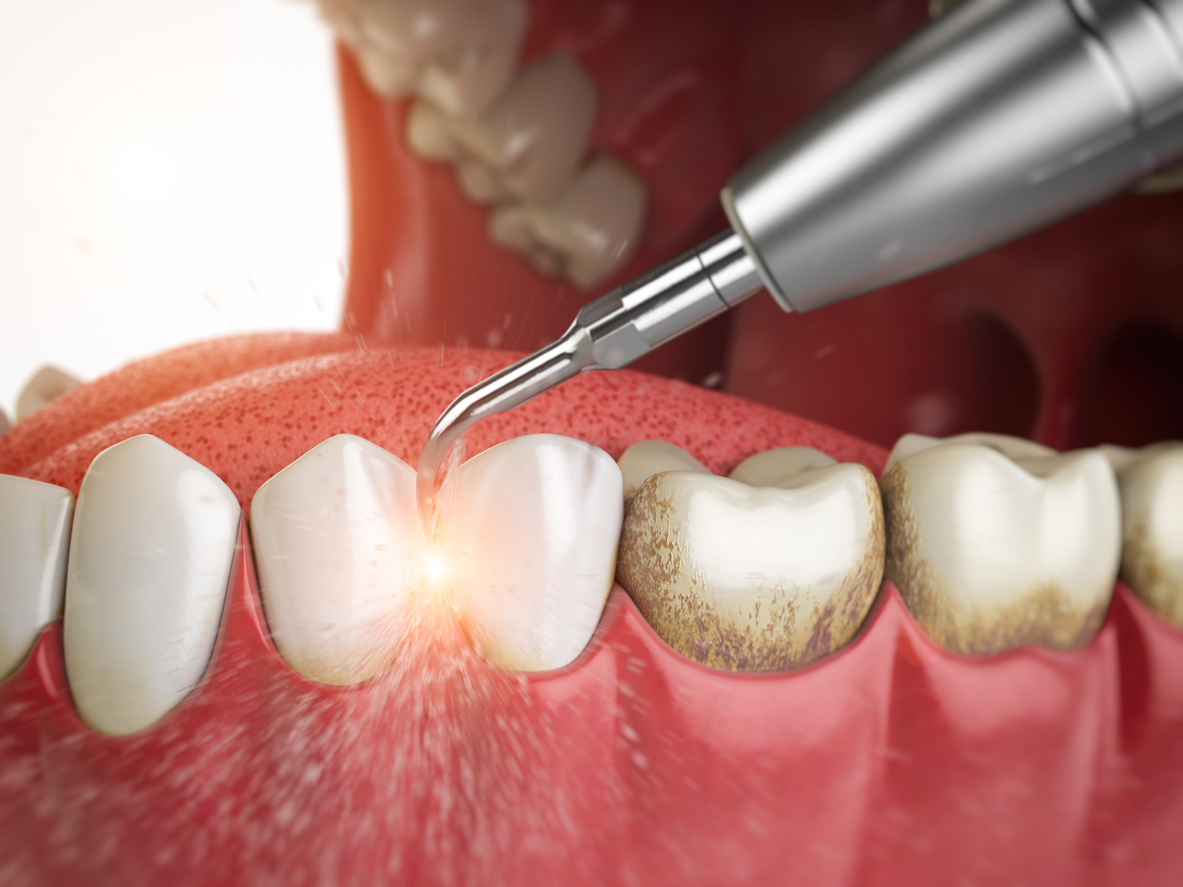
Even if you have good brushing skills, you can still develop tartar that cannot be cleaned at home. Professional cleaning is beneficial as:
Regular hygiene visits are one of the most effective ways to maintain healthy gums.
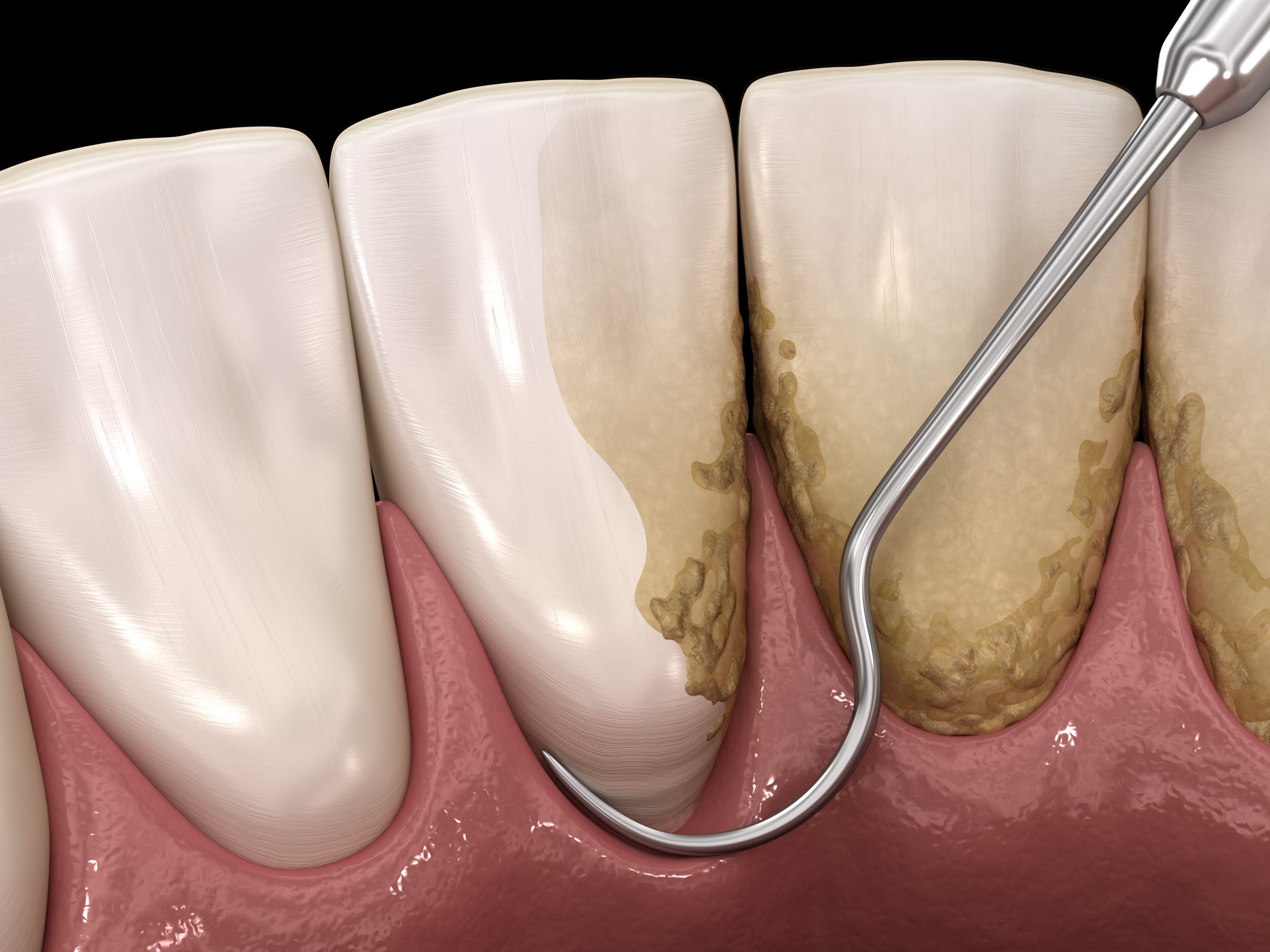
Patients with moderate gum disease, may benefit from non-surgical periodontal treatment known as scaling and root planing.
This treatment involves:
Many patients notice significant improvement in gum health following treatment.

Smoking is one of the biggest risk factors for gum disease and can significantly delay healing.
Patients who quit smoking often experience:

Managing conditions such as diabetes can have a positive impact on gum health and reduce the risk of recurring infections. A collaborative approach between your dentist and GP may help achieve the best long-term results.
In severe cases, advanced periodontal care may be required. Treatment options may include:

The answer depends on the stage of the disease.
Reversing gingivitis will depend largely on treatment through professional cleaning and better oral care routines.
Advanced stages of gum disease cannot be reversed, but can be managed. This is why early detection is important in order to preserve your oral health.
Prevention is always better than cure. To keep your gums healthy:
✅ Brush twice daily
✅ Floss or clean between teeth every day
✅ Attend regular dental check-ups
✅ Visit your hygienist regularly
✅ Avoid smoking
✅ Maintain a healthy diet
✅ Drink plenty of water
These simple habits can dramatically lower your risk of developing gum disease.
At Pearl Dental Clinic, we understand that gum problems can affect not only your oral health but also your confidence and quality of life.
Our experienced dental team offers:
Using modern techniques and patient-centred care, we help patients achieve healthier gums and long-lasting oral health.
If you’re experiencing bleeding gums, bad breath, gum recession, or other signs of gum disease, don’t wait until the problem worsens.
The earlier gum disease is treated, the better the outcome.
Contact Pearl Dental Clinic today to schedule a consultation with our experienced dental team and take the first step towards healthier gums and a healthier smile.
You can book an appointment with us by calling us on 0208 547 9997 or by WhatsApp messaging us or by booking an appointment online to start your journey to optimal gum health.
Whatever you need, our friendly team is looking forward to hearing from you.
Simply get in touch and we’ll be happy to help.
Find us on Google maps
Get directions