

What Is a Dry Socket?
When a tooth is removed, your body forms a protective blood clot inside the socket. This clot acts like a natural cushion — shielding the bone and nerves underneath while healing begins.
A dry socket happens when this clot becomes dislodged or doesn’t form properly, leaving the bone exposed. That exposed bone is what causes the deep, radiating pain that can feel so overwhelming.
It’s not your fault, and it’s more common after certain types of tooth extraction. The good news is that it’s also one of the easiest complications to treat.
What Does a Dry Socket Feel Like?
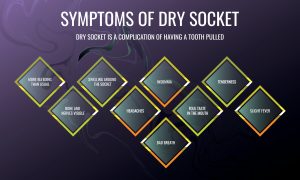
Patients often describe dry socket pain in a very specific way. It tends to feel:
- Sharp, throbbing, or deep pain starting 2–5 days after the extraction
- Pain that spreads to the ear, jaw, or temple
- A socket that looks empty, with visible white or yellow bone
- A persistent bad taste or bad breath
- Pain that doesn’t improve with normal painkillers
If your pain is getting worse instead of better, it’s a strong sign you should be seen.
Normal Healing vs Dry Socket
Most people find that extraction discomfort peaks within the first day or two, then slowly improves.
With a dry socket, the opposite happens:
- Pain intensifies instead of settling
- Painkillers offer little relief
- The socket looks empty, not covered by a dark clot
- Eating, talking, and even sleeping may become difficult
This “worsening pain” pattern is one of the clearest signs of a dry socket.

Why Does a Dry Socket Happen?
A dry socket can develop when something disrupts the healing blood clot. Common reasons include:
- Smoking or vaping
- Drinking through a straw
- Rinsing too vigorously in the first 24 hours
- Difficult or surgical wisdom tooth extractions
- Hormonal changes
- Certain medical conditions
Sometimes, it happens even when you’ve done everything right — so please don’t blame yourself.
Who Is More Likely to Get a Dry Socket?
You may be at higher risk if you:
- Smoke or vape
- Had a lower wisdom tooth removed
- Experienced a difficult extraction
- Have had dry socket before
- Take oral contraceptives
- Have poor oral hygiene around the site
Even with these risk factors, most extractions heal normally.
Dry Socket Treatment at Pearl Dental Clinic
Many people assume dry socket is an infection, but it usually isn’t — which means antibiotics are rarely needed. Our focus is simple: relieve your pain and protect the socket while it heals naturally.
Here’s how we help:
A Gentle Examination
We’ll take a careful look at the area to confirm what’s going on and make sure nothing else is causing your discomfort.
Cleaning the Socket
Any trapped food or debris is gently flushed out to reduce irritation.
Medicated Dressing
We place a soothing medicated dressing inside the socket. Most patients describe the relief as almost immediate — often within hours.
Pain Relief Guidance
We’ll help you choose safe, effective pain relief based on your medical history.
Follow‑Up Care
Some people benefit from having the dressing replaced after a few days.
Most patients feel significantly better very quickly after treatment.

Will a Dry Socket Heal on Its Own?
Yes — but it can take several weeks, and the pain can be severe throughout that time.
Professional treatment doesn’t necessarily speed up the biological healing process, but it dramatically reduces pain and keeps the socket clean while healing continues.
How Long Does Dry Socket Last?
With treatment:
- Pain often improves within hours
- Most patients feel much better within 24–48 hours
- Healing continues naturally over 1–2 weeks
Without treatment, discomfort may last much longer.
How to Reduce Your Risk of Dry Socket
While dry socket can’t always be prevented, you can lower your risk by following your dentist’s advice:
- Avoid smoking or vaping for at least 72 hours
- Don’t use straws
- Avoid vigorous rinsing on the first day
- Keep the area clean as instructed
- Stick to soft foods for the first few days
- Attend any recommended review appointments
These simple steps help protect the blood clot during the early healing stage.
Dry Socket After Wisdom Tooth Removal
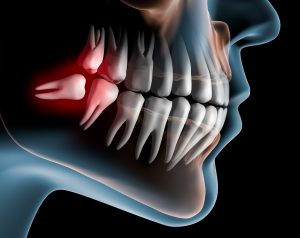
Dry socket is more common after lower wisdom tooth extractions, simply because these procedures are often more complex.
The symptoms and treatment are exactly the same, though surgical sites may need a little extra care.
When Should You See a Dentist?
You should arrange an urgent appointment if:
- Your pain suddenly worsens several days after an extraction
- The socket looks empty
- Pain spreads to your ear, jaw, or temple
- Painkillers no longer help
- You notice persistent bad breath or an unpleasant taste
Getting seen quickly can make a huge difference in your comfort.

Why Patients in London Choose Pearl Dental Clinic
We understand how distressing dry socket pain can be — and we’re here to help you through it with kindness, clarity, and gentle care.
Patients choose us because we offer:
- Same‑day emergency appointments
- Open 7 days a week, including weekends from 9am-10pm
- Experienced dentists with advanced surgical and emergency expertise
- Modern digital technology for accurate diagnosis
- Clear explanations and honest advice
- A calm, compassionate approach focused on fast relief
- Over 20 years experience of providing emergency dental care in London with over 1500 satisfied patient reviews
Whether your extraction was done here or elsewhere, we’re here to help you feel comfortable again.

Book a Same‑Day Dry Socket Appointment
If your pain is worsening after a tooth extraction, you don’t need to struggle through it. Our team at Pearl Dental Clinic provide fast, gentle dry socket treatment 7 days a week.
You can book an appointment with us by calling us on 0208 547 9997 or by WhatsApp messaging us or by booking an appointment online.